Healthy life





GITEX Africa 2025: Illuminating the Future of Technology and Healthcare in Africa
Imagine a scenario where a mother in a remote village receives life-saving medicine directly delivered by a drone. Her child gets a disease diagnosis through an AI-driven application, and a doctor thousands of miles away provides professional advice via a video call. These scenes, which might seem like they belong in a science fiction blockbuster, are gradually becoming a reality in Africa.

African Healthcare: Overcoming Challenges through Localized Technological Innovations
African healthcare has long been grappling with challenges such as insufficient investment and operational difficulties. The dual impact of the COVID-19 pandemic and the debt crisis has further exacerbated the collapse of Africa's healthcare systems. Currently, local healthcare innovators in Africa are proposing localized solutions in an attempt to improve healthcare accessibility and provide more reliable 保障 for people's healthy lives.

The African Healthcare Market: Opportunities and Challenges Amidst Great Potential
The African healthcare market holds significant potential. However, internally, Africa suffers from a scarcity of healthcare resources and a lack of independent development capabilities, largely relying on imports. African countries are now placing greater emphasis on the development of the healthcare industry and enhancing their local capabilities, which presents opportunities for global healthcare providers and pharmaceutical companies to enter the African market. Among them, Chinese healthcare enterprises have also made their presence felt.
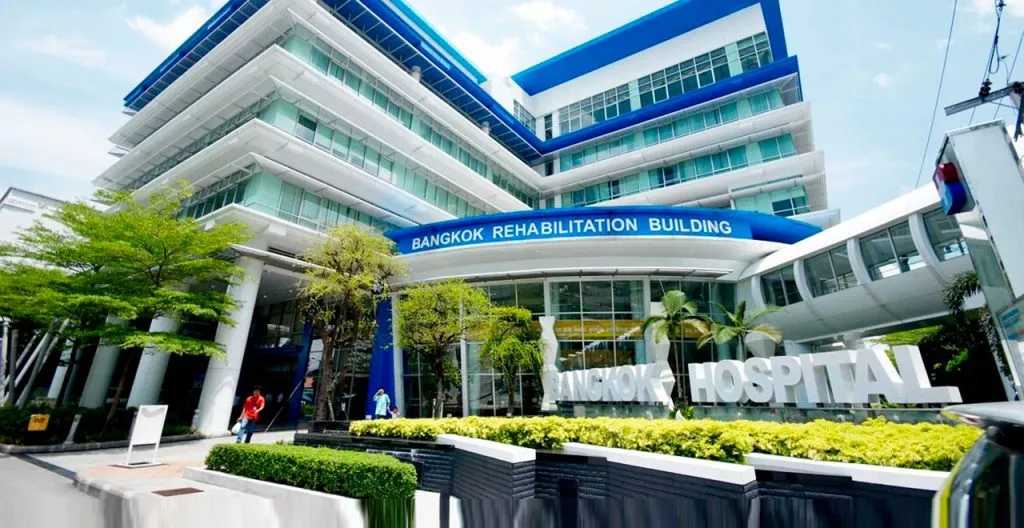
Bangkok Hospital: A Leading Private Healthcare Provider in Thailand with Global Patient Care
Established in 1972, Bangkok Hospital is one of Thailand’s earliest private hospitals and earned JCI accreditation in 2002, a testament to its adherence to international healthcare standards. As a tertiary medical institution, it operates specialized hospitals for cancer and heart diseases, with a network of 15 hospitals across Thailand, ensuring wide accessibility to its services.

Public Health Experts Warn of Botulism Risks Linked to Unauthorized Cosmetic Injections in UK
Public health experts are warning cosmetic treatment seekers after 38 botulism cases were reported in the UK, linked to unlicensed botulinum-like injections. The UK Health Security Agency (UKHSA) stated on Friday that cases first emerged in northeast England, later spreading to the East of England and East Midlands. All cases were reported between June 4 and July 14, 2025.

Global Medical Tourism Booms as Healing Hotels of the World Partners with Conglomerate
The global medical tourism market reached $130 billion in 2023 and is projected to grow 12% annually over the next decade, according to the World Tourism Organization. This emerging model, blending travel, medical care, and wellness, has gained popularity for meeting dual demands for health and travel experiences.

HHS Layoffs: Streamlining Bureaucracy or Hitting the Vital Arteries?
In a recent move that has stirred significant discussion, Robert F. Kennedy Jr., the current U.S. Health and Human Services (HHS) Secretary, has initiated a major round of layoffs within the department. Kennedy, in a video posted on social media, criticized HHS as a malfunctioning and overblown bureaucratic entity, justifying the layoffs.

French Health Insurance Cancels Accreditation of Seven Medical Centers over Fraud
On April 7, the French Health Insurance (L’Assurance maladie) announced the cancellation of the health insurance agreements of seven medical centers (centres de santé) in France due to fraud. These medical centers are all from the same network and are distributed in the regions of Bourgogne - Franche - Comté, Grand - Est, Bretagne, Ile - de - France, and Normandie in France.

FDA Warns Against Smartwatches' False Claims of Blood Glucose Measurement
The U.S. Food and Drug Administration (FDA) has issued a safety notice warning consumers not to purchase or use smartwatches and smart rings that claim to non - invasively measure blood glucose. These devices have not been proven to be accurate, and using them for blood glucose monitoring can lead to inaccurate insulin, sulfonylurea, or other drug dosages, thus posing risks to patients with diabetes.

Over 81,000 People in Istanbul, Turkey to Receive Free Cancer Screenings
Abdullah Emre Güner, the Director of the Istanbul Provincial Health Directorate, has announced that as of now, 81,185 people in Istanbul have received free cancer screenings in 2025. Güner explained that cancer is a disease that can be cured if diagnosed at an early stage. He emphasized that cancer is not only a medical issue but also a matter of public awareness. He pointed out that lack of information, fear, and neglect may lead to delayed diagnosis, while early detection can save lives for many types of cancer.

Japan's High Rankings in Global Assessments
Japan has once again demonstrated its strength in various global aspects, as recent rankings show. In the field of public health, Japan secures the 10th position. The country's advanced medical system

United Kingdom Shines in Global Rankings Across Multiple Domains
The United Kingdom has once again impressed on the global stage, securing top positions in key rankings that underscore its strength in public health, quality of life, and overall national appeal. In the public health ranking, the UK claimed the 8th spot, a testament to its advanced healthcare system.

Finland's Strong Showings in Global Rankings Reflect National Excellence
Finland has demonstrated its prowess on the global stage with notable rankings across key categories. Securing the 4th position in public health, the country showcases an outstanding healthcare system. Finland's universal healthcare approach, coupled with a focus on preventive medicine and extensive medical research, ensures that its citizens have access to high - quality care. The government's investment in healthcare infrastructure and a well - trained medical workforce contribute significantly to the nation's top - tier public health standing.

Sweden's Dominance in Global Rankings Highlights National Excellence
Sweden has firmly established itself as a global leader, clinching the top position in public health rankings. The country's achievement is a result of its comprehensive healthcare system, which offers universal coverage and emphasizes preventive medicine. With well - funded research facilities, advanced medical technology, and a highly trained medical workforce, Sweden ensures that its citizens receive the best possible care, contributing to high life expectancy and low disease prevalence rates.

Sweden's Exceptional Healthcare and Mental Health Standing
Sweden, with a population of around 10 million, boasts over 100 hospitals. This extensive network ensures that high - quality medical services are accessible even to those in remote areas. The regions in Sweden are mainly responsible for health services, running the majority of these hospitals. For instance, about 85 of them are under regional government management, which helps in the overall planning and resource allocation for healthcare.

South Korea's Robust Public Healthcare System Shines
South Korea's National Health Insurance (NHI) system has emerged as a global model for its effectiveness and innovation. With a strong focus on preventive healthcare, NHI encourages regular medical check - ups and disease screenings, enabling early detection and timely treatment. This proactive approach has been instrumental in promoting the overall well - being of the population and reducing the burden of serious illnesses.