Sci-Tech



Medical Breakthroughs to Transform Healthcare Over Next 30 Years
Over the next three decades, scientific and technological advancements will revolutionize medicine. Genomics will enable truly personalized drugs, allowing treatments tailored to individual genetic profiles to tackle cancer, cardiopulmonary diseases, Alzheimer's, and other currently intractable illnesses.

Energy Revolution to Reshape Global Landscape Over Next 30 Years
Over the next three decades, global energy demand is projected to rise by 35%, sparking an ongoing energy revolution. New oil extraction technologies like hydraulic fracturing and directional drilling have unlocked vast oil and gas reserves, upending the global oil market and turning the U.S. from the world’s top oil importer to its largest producer.
Combating Global Climate Change: Challenges and Tech-Driven Responses
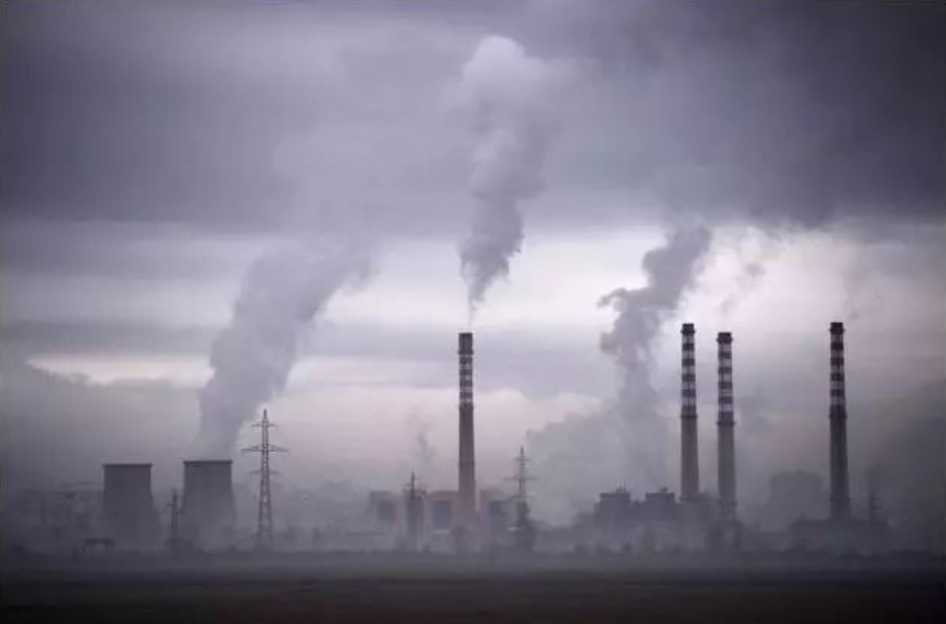
Current data projects Earth’s surface temperature will rise by 1.4 to 3 degrees Celsius by 2050. Even with extreme greenhouse gas emission cuts, climatic inertia will drive warming, triggering dire consequences: coastal city risks from rising seas, famine due to crop yield declines, water scarcity for millions from droughts, and billions in flood damages.

Microsoft to Cut 9,000 Jobs Globally Amid AI Chip Delays
Microsoft announced plans to lay off approximately 9,000 employees worldwide, about 4% of its workforce, marking a major restructuring as it enters the 2026 fiscal year. The cuts, spanning multiple teams and roles, extend layoffs from May and June, aiming to reduce management layers and boost operational agility amid fast-changing tech and market conditions.

Lyon to Phase Out Microsoft Products, Adopt Open-Source Software
France’s third-largest city Lyon announced on June 27 it will replace Microsoft products—including Office and Microsoft SQL—with open-source alternatives like Linux, PostgreSQL, and OnlyOffice. The move aims to reduce reliance on U.S. software, extend hardware lifespans to cut environmental impact, and strengthen technical sovereignty in public services.

Trump Administration Moves to Speed Up Offshore Critical Minerals Exploration
The Trump administration announced on June 25 that it will accelerate exploration and development of offshore critical minerals, foreign media reported.

China, Hong Kong Launch Cross-Border Payment Connect System
China’s central bank and Hong Kong’s monetary authority launched "Payment Connect" on June 22, linking mainland China’s Online Interbank Payment Clearing System (IBPS) with Hong Kong’s Faster Payment System (FPS) to enable real-time cross-border remittances. The initiative, announced in a joint statement on June 20, aims to streamline cross-border transactions for residents in both regions.
UK Unveils New Policies to Bolster AI, Quantum Computing with Funding and Talent Drive
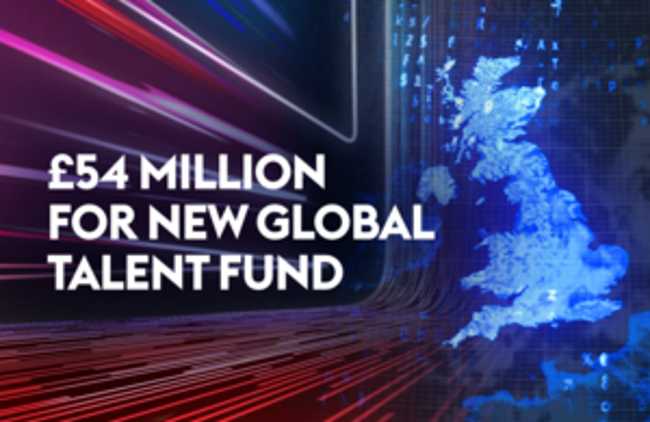
The UK government has introduced a series of new policies to significantly boost support for emerging technologies such as artificial intelligence and quantum computing. On June 22, it announced the establishment of a “Global Talent Fund” with an investment of £54 million to attract world-leading researchers to the UK. A “Global Talent Taskforce” was also set up, dedicated to recruiting scientists, engineers, and creative talents—with a special focus on key areas like AI and green technology—and encouraging them to innovate and develop long-term in the UK.

China: A Rising Technological Powerhouse
Since the founding of the People's Republic of China 75 years ago, the nation has made remarkable strides in science and technology. Guided by the principles that technology is the foundation of national strength and innovation is the soul of national progress, China has not only caught up with and surpassed many developed countries in traditional technological fields but also emerged as a global leader in cutting - edge and emerging sectors.

Britain’s Technological Legacy: Strengths in a Modern Era
As the birthplace of the Industrial Revolution, Britain has long been a cornerstone of global innovation. Though no longer the sole industrial powerhouse, the nation remains a formidable force in cutting-edge technology, with key strengths in microprocessor design, gene editing, biopharmaceuticals, and deep-sea oil drilling. These fields reflect a blend of historical expertise and modern research prowess.
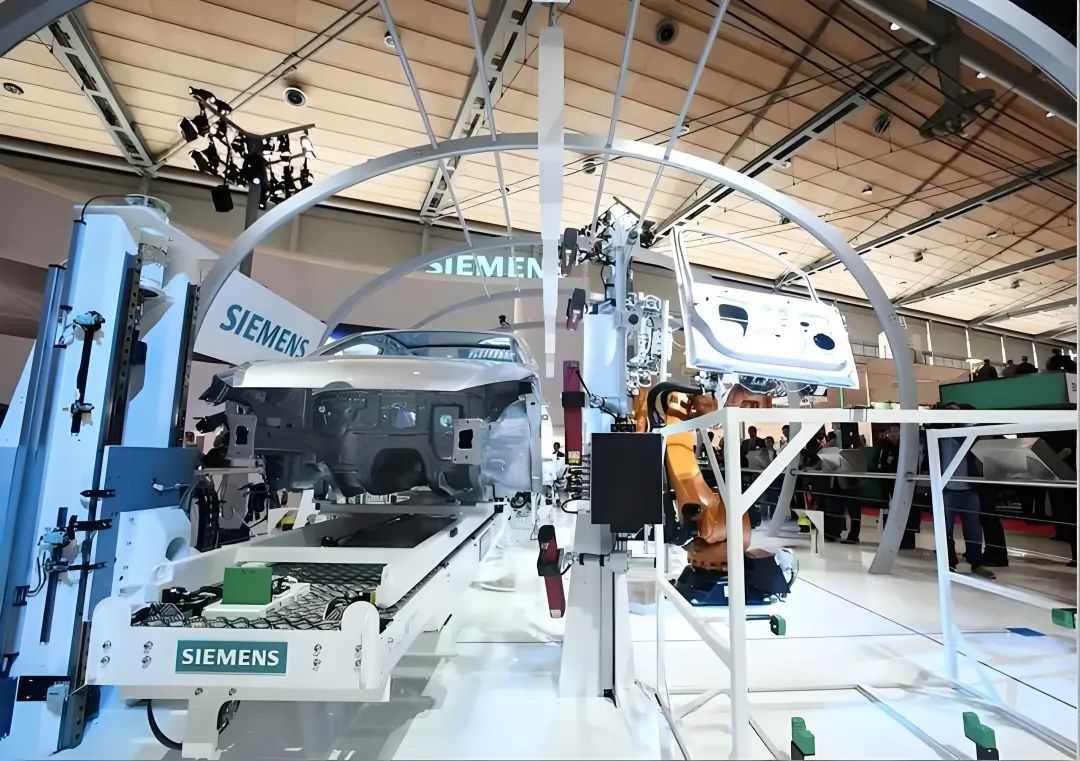
Germany's Nobel Dominance: A Testament to Scientific Depth and Industrial Might
Germany's remarkable record of 111 Nobel laureates stands as a powerful testament to the nation's enduring excellence in scientific research. Spanning from 1901 to the present, these accolades are predominantly concentrated in traditional strongholds such as physics, chemistry, biology, and medicine, highlighting Germany's long - standing commitment to advancing fundamental knowledge in these critical fields.

France's Nobel Achievements: A Reflection of Scientific Eminence
France, a nation with a rich history of scientific exploration, has solidified its status as a global scientific powerhouse with 36 Nobel laureates in the natural sciences. These prestigious awards, spanning the fields of physics, chemistry, and physiology or medicine, underscore France's enduring commitment to pushing the boundaries of human knowledge and making significant contributions to scientific progress.

Russia's Nobel Heritage: A Blend of Historical Prowess and Contemporary Challenges
As of 2023, Russia boasts 26 Nobel laureates, with a significant concentration in the fields of physics and chemistry. These achievements serve as a testament to the nation's enduring scientific legacy, deeply rooted in its rich academic traditions and historical contributions to global knowledge.
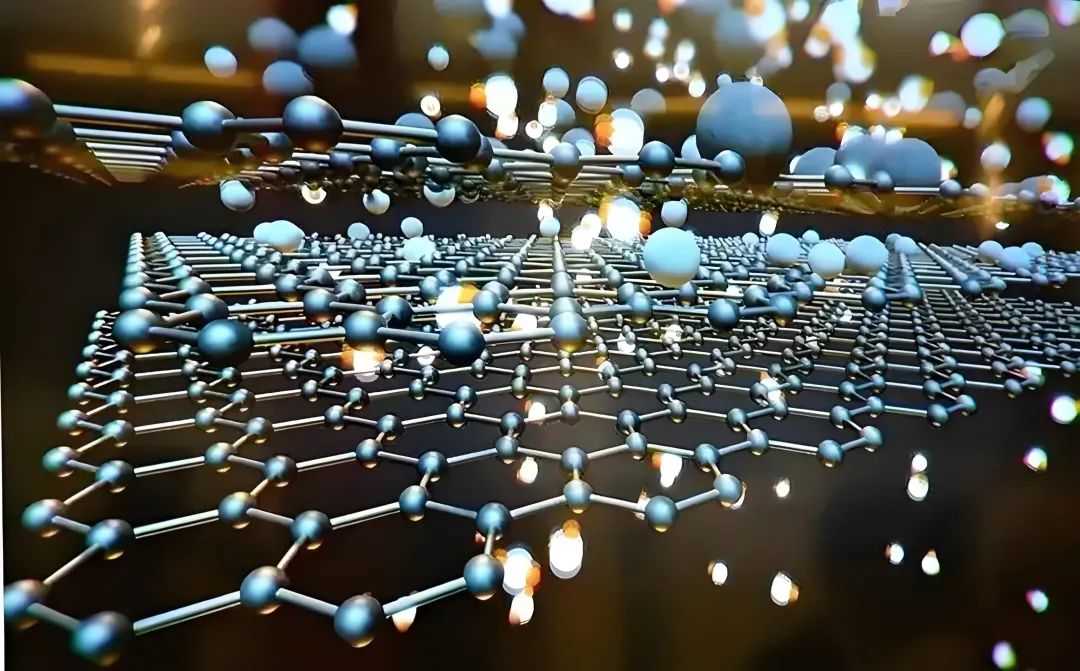
Austria: Nobel Laureates and Technological Advancements
As of the end of 2023, Austria has seen 23 of its citizens honored with Nobel Prizes, a remarkable testament to the nation’s intellectual prowess and its long - standing contributions to global knowledge. These accolades span various fields, reflecting Austria’s diverse academic achievements and innovative spirit.
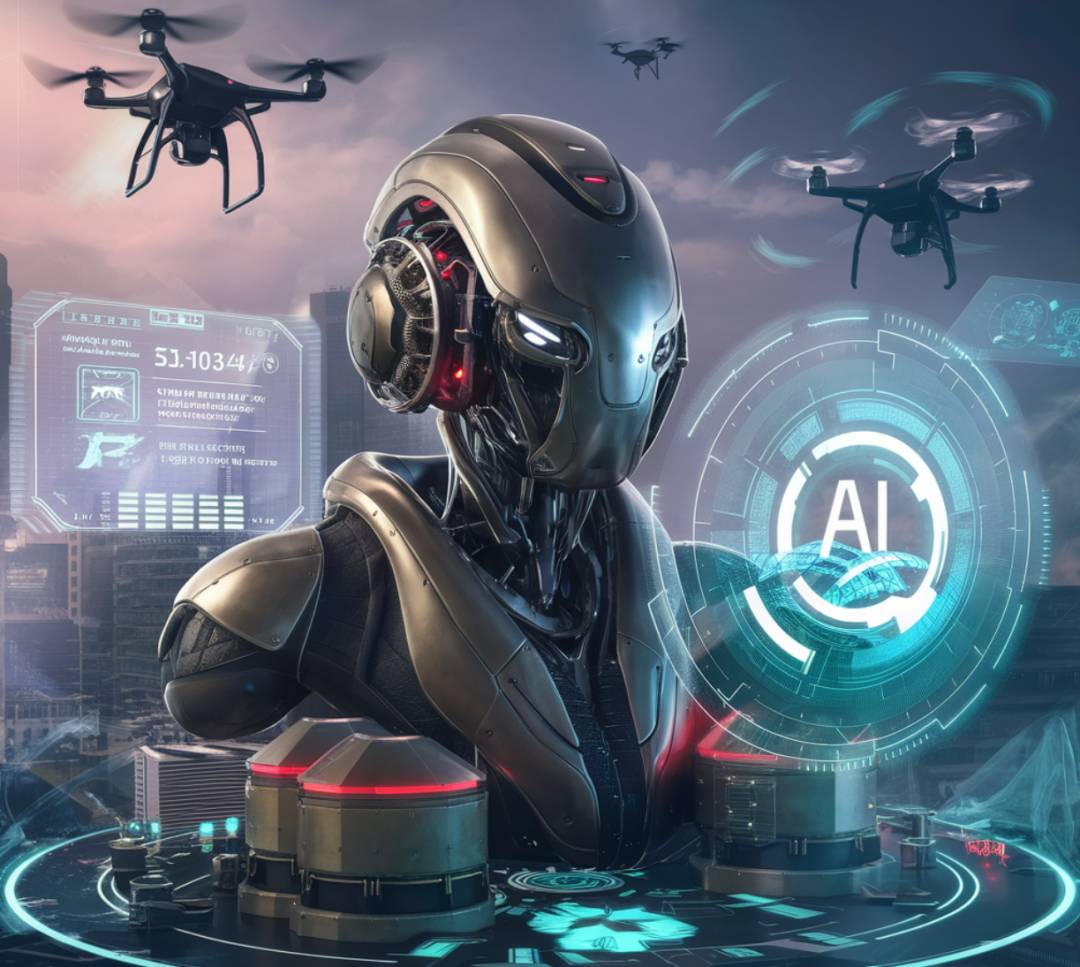
Accurately Cracking Illegal Drone Threats with Communication and AI Integration Module
Recently, South Korea's SKT (SK Telecom Group) announced the launch of an integrated communication and AI module for smart response systems to combat illegal drones that threaten critical national infrastructure such as nuclear power plants and airports.

Another U.S. high-tech company, IBM, pulls out of China and lays off thousands of employees
Corporate global strategic adjustment: Changes in business layout: IBM may reconfigure its R&D resources according to its global business development strategy. For example, shifting the focus of R&D to other regions with more potential or cost advantages in order to adapt to market and technology trends. For example, the company may believe that certain regions have better innovation ecosystems, talent pools or policy support in specific technology areas, and thus make the decision to withdraw from the China R&D department.
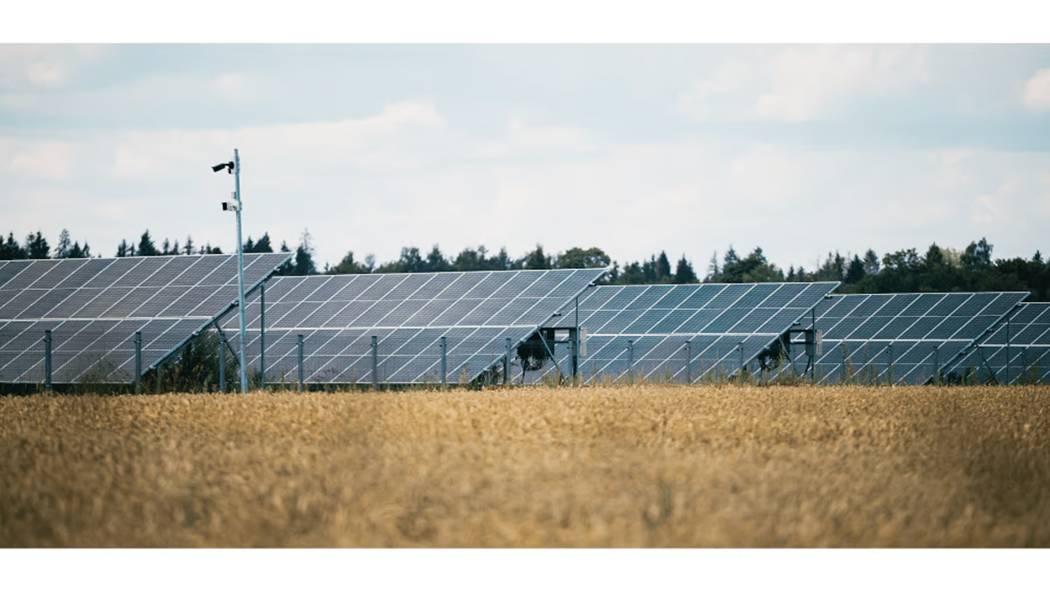
Overseas PV Daily News Express
SUNfarming and France SPIE Join Hands to Build 753MW German Agricultural PV Project